
Puncture Test
Measures puncture resistance — surface hardness, fracturability and gel strength.
Part 1
What is Puncture Test
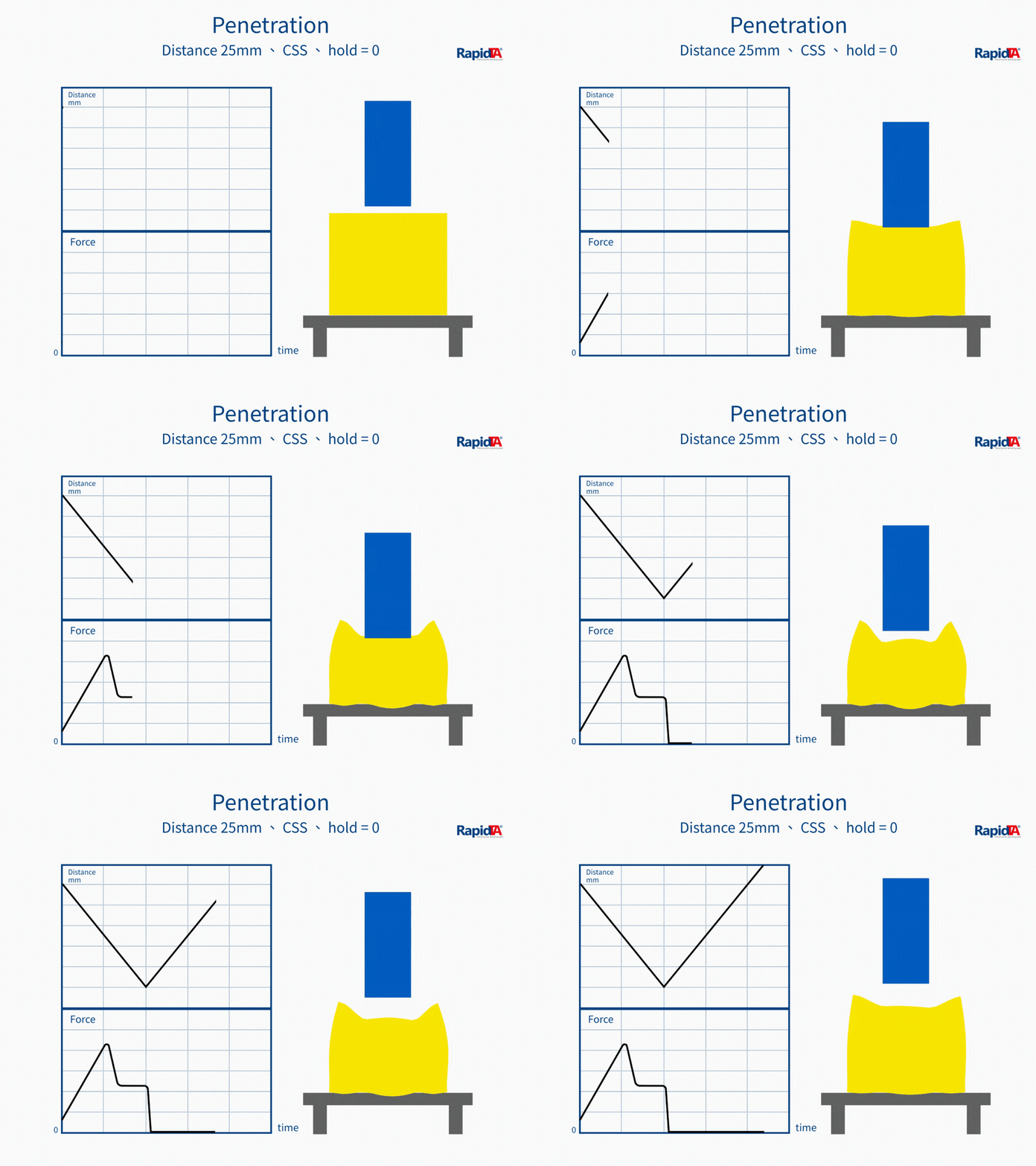
The puncture test is one of the most widely used texture methods. A small-diameter probe penetrates the sample in one pass, measuring hardness, breaking force and adhesion — ideal for skin firmness, crisp shells and gel strength such as gelatin Bloom.
Application Domains
Texture Properties Measured
Part 2
Principle & Operating Procedure
Principle
The probe penetrates the sample vertically at a set speed while the force–time (or distance) curve is recorded, giving hardness, break point and adhesion. Example AACC 74-09: 1.7 mm/s, 25% strain, 5 gf trigger, 0 s hold.
Operating Procedure
Sample preparation
Cut bread to even 25 or 12.5 mm slices per the standard; prepare fruit and candy per their properties.
Position and trigger
Center the sample under the probe; recording starts at the trigger force.
Penetrate to target
The probe penetrates at the set speed to the target (25% strain, fixed distance or full penetration).
Retract and extract
The probe retracts; maximum puncture force (hardness), break point and negative adhesion are calculated.
Replicate and analyze
Repeat measurements; the software outputs means and standard deviations.
Recommended Settings
Standard or suggested parameters by sample and application — use them as a starting point.
AACC 74-09 bread firmness standard settings
| Speed | Test mode | Start | Target | Hold |
|---|---|---|---|---|
| 1.7 mm/s | Strain (c) | 5 gf | 25% strain | 0 sec |
Use a Ø 36 mm cylinder probe.
Gelatin Bloom strength (ISO 9665 / GMIA)
| Temperature | Probe | Speed | Depth | Unit |
|---|---|---|---|---|
| 10°C | Ø 1/2 inch polyester | 4 mm/s | 4 mm | gf Bloom |
6.67% gelatin solution, set for 17 h at 10°C ±0.1°C before testing.
Part 3
Probe Selection & Characteristics
Probe and fixture choice strongly affects accuracy and repeatability. The probes and kits below are commonly used for this action — select one to see its samples.
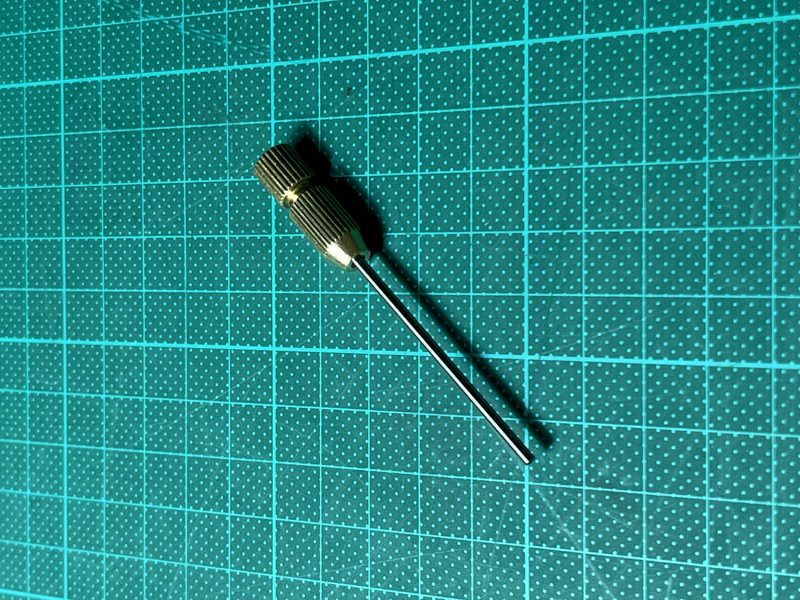
Small cylinder probes
Ø 2 / 3 / 4 / 5 / 6 mm
Biscuits, hard candy, chocolate, gum, fruit skin
Concentrated force for hard, brittle samples
View probe & test kit →
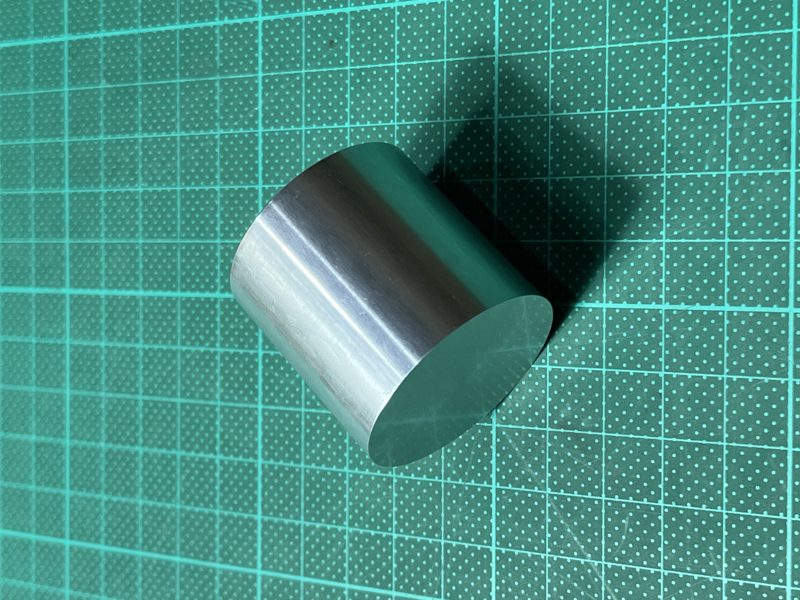
Medium–large cylinder probes
Ø 10 / 18 / 25 / 36 mm
Bread (AACC 74-09), cake, jam, dips
Distributed force; matches AACC and other standards
View probe & test kit →
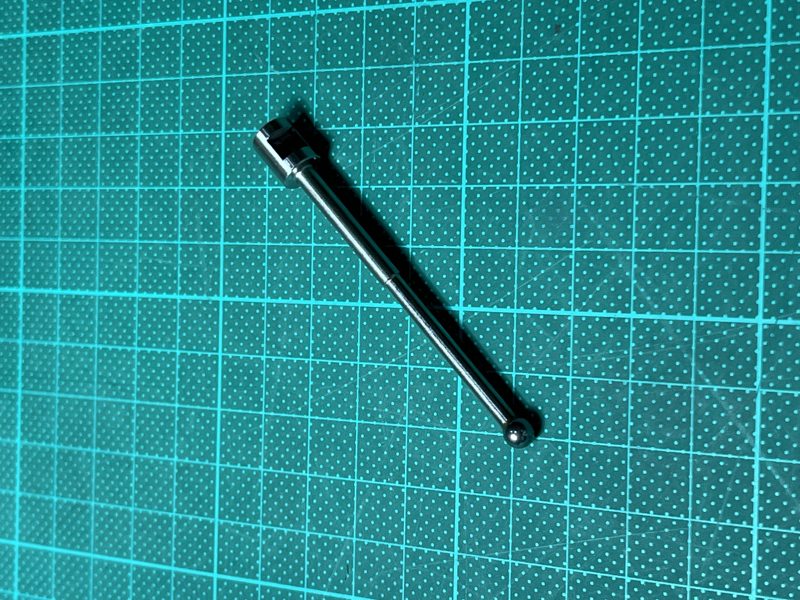
Spherical probes
Ø 5 mm, 20 mm, 1 inch
Caramel, surimi, soft cheese, cheese sauce
Ball contact mimics the mouth; measures hardness and stickiness
View probe & test kit →
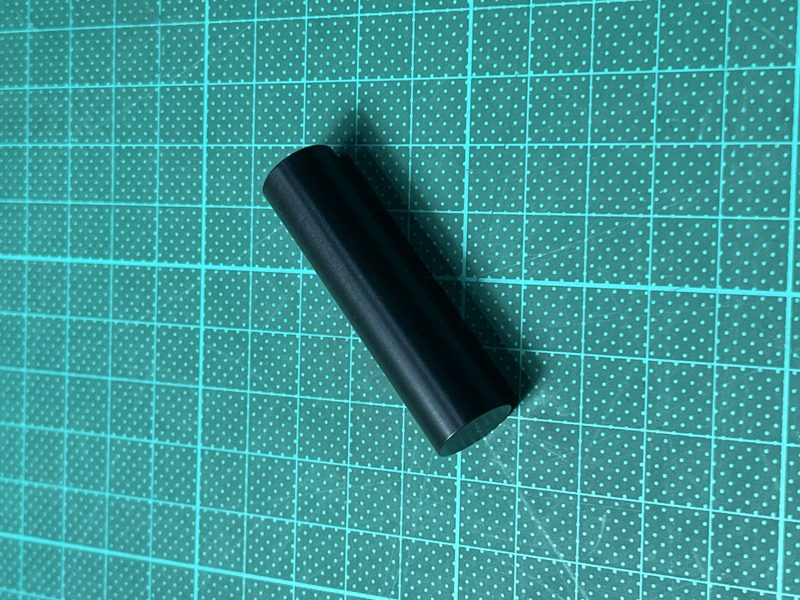
Standard gel strength probe
Ø 1/2 inch cylinder
Gelatin Bloom (ISO 9665, GMIA), pectin, agar
Matches international gel-strength standards
View probe & test kit →
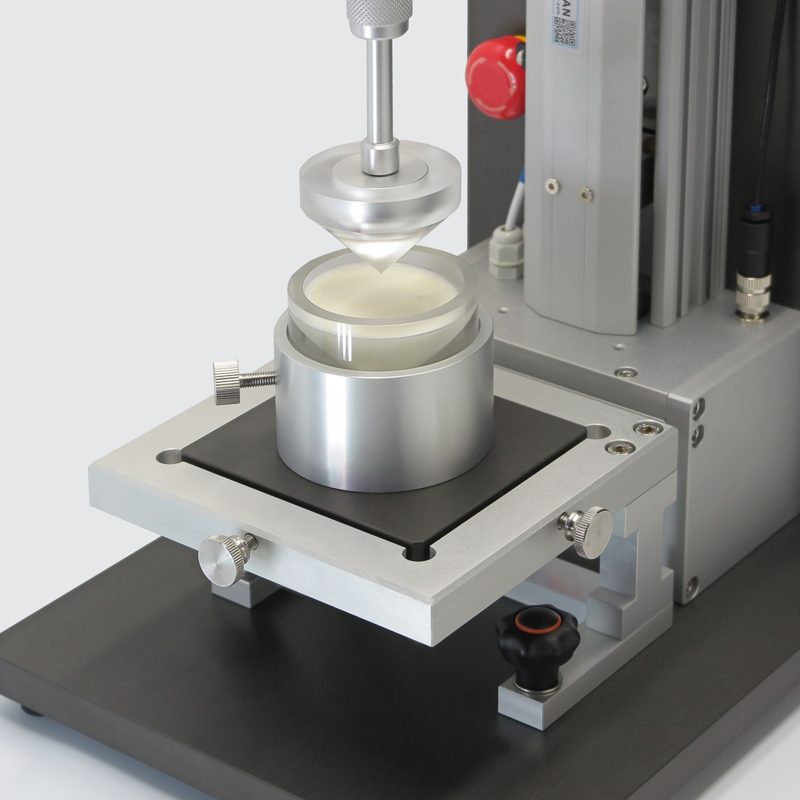
Spreadability rig
Standard spreading rig with blade and base
Margarine, chocolate spread, peanut butter
Compare spreadability at different temperatures or formulas
View probe & test kit →
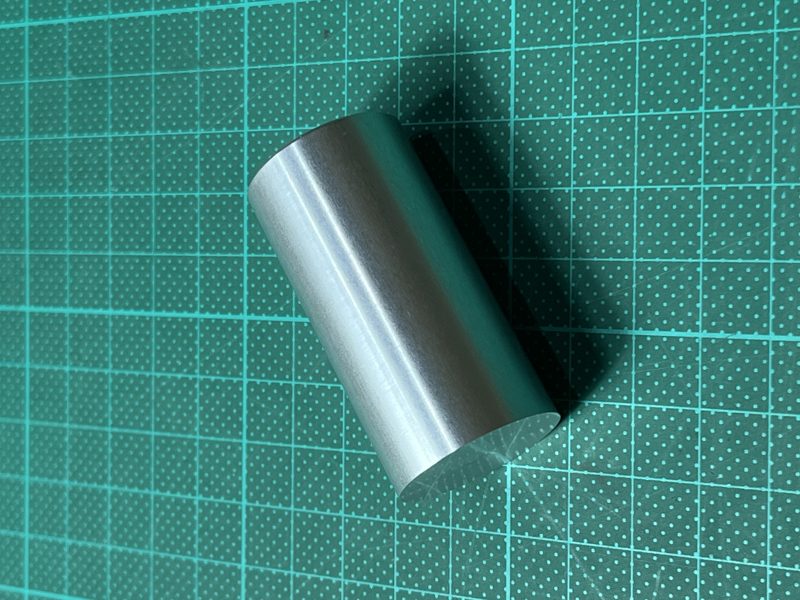
φ 25 mm cylinder probe. Aluminum
CY25AL
View probe & test kit →
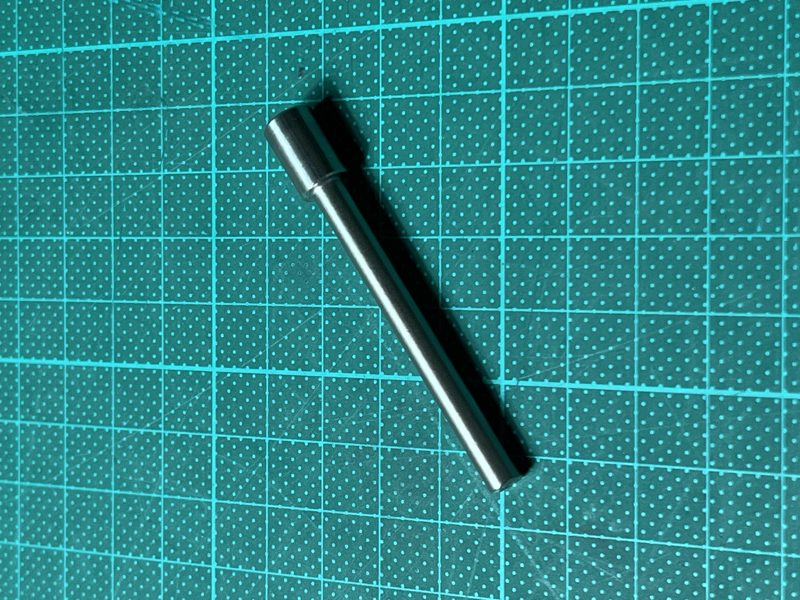
φ 5 mm cylinder probe
CY05
View probe & test kit →
Part 4
Data Interpretation & Analysis
The peak of the puncture curve is maximum puncture force, which maps to hardness. A sudden drop before the peak marks breakage of a brittle shell or structure, an indicator of crispness. The area under the force–distance curve is work of penetration (total energy). The negative force on retraction reflects stickiness or stringiness.
Test Curves & Diagrams
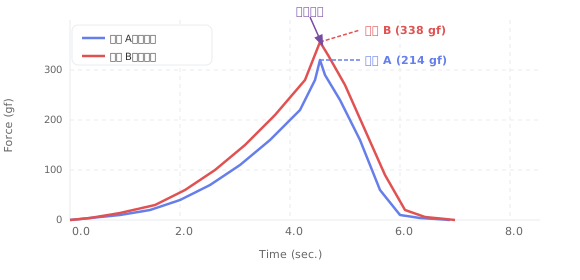
Parameters & Calculations
After a test, the software calculates these parameters from the curve
Hardness
Curve peak = maximum puncture force, the hardness.
Formula:Maximum puncture force
Fracturability
Force and distance at break, rating brittleness.
Adhesiveness
Negative force on retraction — stickiness.
Part 5
Application Cases
Applicable Test Samples
These samples use this action — select one for the full test information
Margarine
Food
Biscuits/Cookies
Food
Biscuits Dough
Food
Bread
Food
Panettone and sponge cake
Food
Muffins
Food
Bagels
Food
Cinnamon rolls
Food
Tortilla chip
Food
Hamburger buns
Food
Boiled sweets
Food
Caramel
Food
Chewy confectionery
Food
Chocolate
Food
Chocolate filled caramel
Food
Chocolate spread
Food
Chewing gum tablets
Food
Rubber base pellets
Food
Chewing gum sticks
Food
Fondant
Food
Halva
Food
Lemon curd
Food
Marmalade
Food
Marzipan
Food
Cream cheese
Food
Cheese spread
Food
Cheese spread triangles
Food
Soft cheese
Food
Fromage frais
Food
Ice cream
Food
Mayonnaise
Food
Mousse
Food
Grapes
Food
Jam/ Fruit preserve
Food
Marmalade
Food
Peas
Food
Pears
Food
Peppers
Food
Chips/French fries
Food
Draught ale
Food
Gelatine gel
Food
Pectin gel
Food
Pate
Food
Surimi
Food
Dips
Food
Houmous
Food
Tzatziki
Food
Chocolate nutrition bars
Food
Vegetable extract spread
Food
Peanut butter (smooth)
Food
Cheese spread
Food
Application Cases & Data Examples
Bread firmness (AACC 74-09)
Slice to 25 mm (one slice per test) or 12.5 mm (two stacked), discard the 2–3 crust slices at each end, and center the sample under the probe. Hardness is the compression force value (CFV) at 25% strain. Keep storage, packaging and temperature consistent and state them in the report.
| Sample | Hardness (mean ± SD) |
|---|---|
| Sample A (softer) | 214.1 ± 9.5 gf |
| Sample B (firmer) | 337.7 ± 15.2 gf |
Part 6
Frequently Asked Questions
How does puncture differ from TPA?
Puncture is a single penetration that measures hardness, break force and adhesion — fast, suited to line QC and bulk comparison. TPA does two compressions for 8+ parameters, suited to deeper R&D. The two can be used together.
How do I pick the right puncture probe for a food?
Hard, brittle (biscuits, hard candy, chocolate): 2–4 mm. Soft semi-solids (bread, cake): 25–36 mm, per AACC. Viscoelastic (caramel, cheese): spherical. Gels (gelatin, pectin): ½-inch standard. Spreads: spreadability kit. Granular or strip foods (peas, fries): multi-probe fixture.
What are the sample prep points for AACC 74-09 bread firmness?
Per AACC 74-09: slice 25 mm (one slice per test) or 12.5 mm (two slices stacked), discarding the first 2–3 crust slices at each end. Center the sample under a Ø 36 mm cylinder. Speed 1.7 mm/s, trigger 5 gf, compress to 25% strain (6.25 mm). Firmness is the compression force at that depth (CFV). Keep storage, packaging and temperature consistent and state them in the report.
What is the standard gelatin Bloom procedure?
Per ISO 9665 or GMIA: pour 6.67% gelatin into a standard container and set 17 h at 10 °C ±0.1 °C. Use a ½-inch (12.7 mm) polyester probe, penetrating 4 mm at 4 mm/s, and record the force in g Bloom. Higher Bloom means higher gel strength.
How can I improve puncture repeatability?
Standardize slice thickness, moisture and temperature, and equilibrate before testing; avoid pores and particles when positioning; set trigger force high enough to avoid vibration false triggers; repeat at least 5 times per sample; check daily and verify monthly with a reference block.
Related Test Actions
Compression Test
Measures mechanical response under compressive load — for hardness and springiness.
Learn More →
TPA (Texture Profile Analysis)
One test returns hardness, springiness, cohesiveness and more — simulating human chewing.
Learn More →
Cutting / Shear Test
Mimics teeth cutting through food — measures maximum shear force and fracture behavior.
Learn More →
Not sure which texture test method fits your product?
Feel free to share your testing needs anytime — we provide free test method recommendations, custom fixture selection, instrument model suggestions, and tailored quotes.